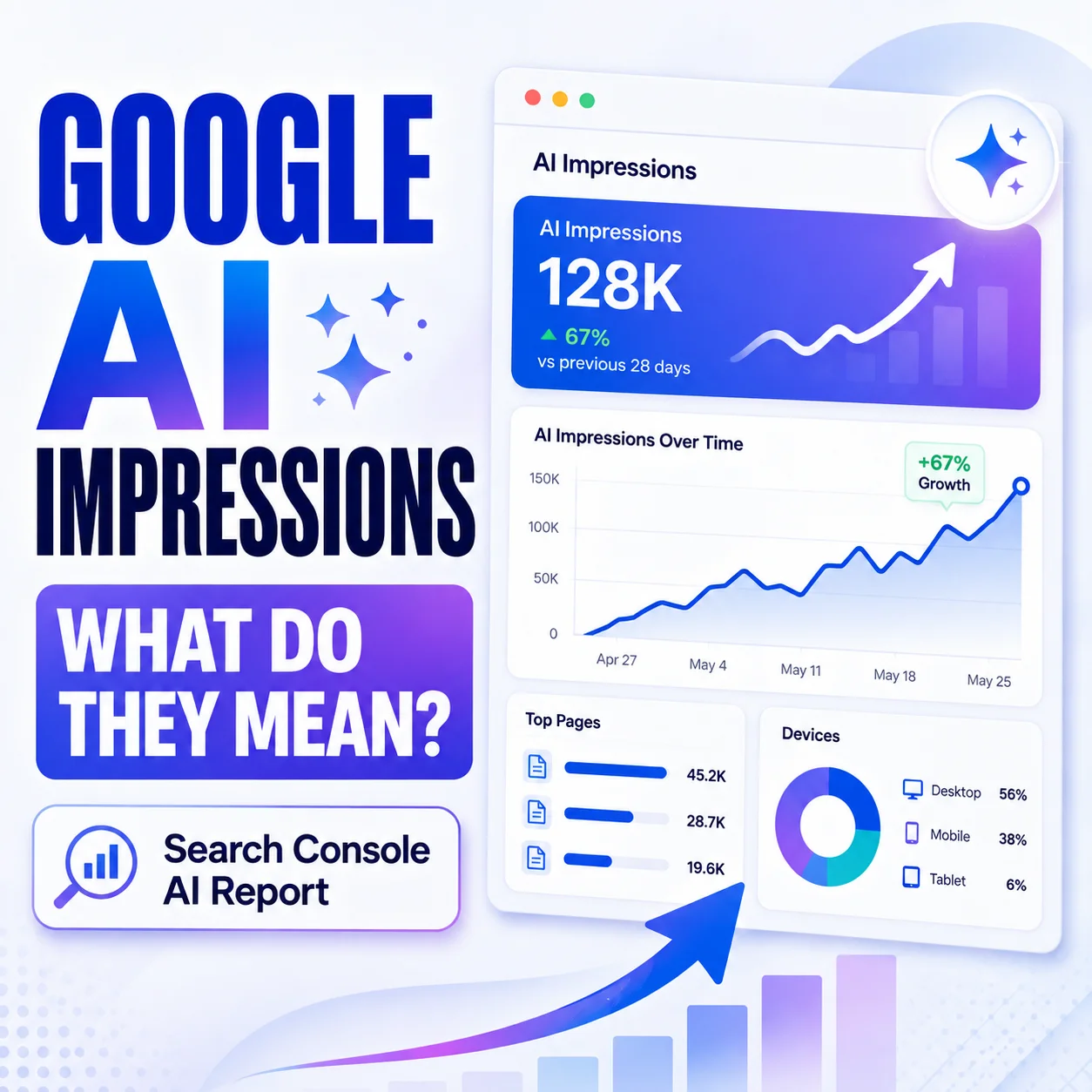
Search is no longer limited to ten blue links. People can now discover websites through traditional Google results, AI Overviews, Google AI Mode, ChatGPT Search, Perplexity, Gemini and other answer-based experiences.
That change has created a new question for website owners: Should you focus on SEO, generative engine optimization, or both? This GEO vs SEO checklist explains the difference and gives you 12 practical ways to create pages that can rank in search, earn clicks and become useful sources for AI-generated answers.
GEO vs SEO: The Quick Answer
SEO helps a webpage become discoverable, crawlable and competitive in traditional search results. GEO is an emerging term for improving the likelihood that content will be found, understood, summarized, mentioned or cited by generative AI search systems.
You should not replace SEO with GEO. The strongest approach is to use established SEO foundations and then improve the clarity, originality, sourcing and structure of the content.
What Is SEO?
Search engine optimization, or SEO, is the process of improving a website so search engines can crawl it, understand it, index it and decide when its pages are relevant to a search. SEO also improves the experience for the people who land on those pages.
Traditional SEO includes technical health, useful content, keyword relevance, internal linking, page experience, structured data where appropriate, reputable external links and clear signals about who created the content.
The outcome people normally associate with SEO is a higher position in a search-results page. However, good SEO is not only about rankings. It also helps the right reader understand the result, click the page and complete a useful action.
What Is Generative Engine Optimization?
Generative engine optimization, commonly shortened to GEO, is an emerging approach to improving content visibility inside AI-generated responses. The term was formalized in academic research examining how source content may influence visibility in generative search systems.
Instead of displaying only a ranked list, an AI answer engine may collect information from several sources, synthesize the information and present an answer with links or citations. GEO therefore pays close attention to whether a page is clear enough to summarize, specific enough to be useful and trustworthy enough to reference.
GEO is not a standardized certification or guaranteed ranking formula. Different AI systems use different retrieval methods, data sources and citation interfaces. A page cited for one prompt may not be cited for a slightly different prompt.
GEO vs SEO: What Is the Difference?
Rank and earn the click
SEO primarily improves visibility in search results. A successful page may earn impressions, rankings, clicks and conversions from people searching for a topic.
Become a useful source
GEO focuses on whether generative search systems can find, interpret, summarize and potentially reference the information when producing an answer.
| Factor | Traditional SEO | GEO and AI Search Visibility |
|---|---|---|
| Main goal | Rank a page for relevant searches and earn qualified clicks. | Make content useful, understandable and reference-worthy in generated answers. |
| Typical surface | Search-result pages, snippets, images, local results and rich results. | AI summaries, answer cards, conversational results, recommendations and citations. |
| Core technical need | Crawlable, indexable pages with strong technical foundations. | The same foundations, plus access for the relevant search crawler where applicable. |
| Content emphasis | Search intent, relevance, usefulness, originality and authority. | Clear answers, extractable facts, evidence, context, originality and source quality. |
| Measurement | Rankings, impressions, organic clicks, engagement and conversions. | Mentions, citations, linked referrals, answer accuracy and assisted conversions. |
| Can results be guaranteed? | No. | No. |
Does GEO Replace SEO?
No. GEO depends heavily on the same fundamentals that make SEO work: crawlability, indexability, helpful content, strong page structure, accurate information, internal links and recognizable authority.
Google specifically states that its generative AI search features are connected to its existing search index and ranking systems. A website that abandons SEO to chase unproven “AI hacks” may make itself less visible in both traditional and AI-powered search.
How AI Search Finds and Uses Website Content
AI-powered search does not work exactly the same way across every platform. Google says AI Overviews and AI Mode may use a “query fan-out” process that searches across related subtopics and data sources before generating an answer with supporting links.
ChatGPT Search can also provide timely web answers with linked sources. OpenAI explains that website owners should allow OAI-SearchBot to access public content if they want that content to be eligible for inclusion in ChatGPT Search. Allowing access does not guarantee placement.
This makes one principle especially important: do not optimize only for one exact keyword. Build a complete page that answers the main question, explains related subtopics and gives readers enough evidence to verify important claims.
For a practical test of whether AI platforms can currently find and describe your website, use the related AI Search Visibility Checklist . That guide focuses on visibility testing; this article focuses on the combined SEO and GEO publishing strategy.
GEO vs SEO Checklist: 12 Ways to Optimize for Both
Match the Reader’s Search Intent
Before writing, identify what the reader is actually trying to accomplish. A person searching “GEO vs SEO” probably wants a clear comparison, an explanation of whether GEO replaces SEO and practical steps they can apply.
Do not bury that answer under a long history lesson or turn an informational query into an aggressive sales page.
Give the Core Answer Early
Readers should not need to scroll through several screens to understand your main point. Add a concise answer near the beginning, then provide the evidence, examples and nuance below it.
An early answer can also make the page easier to interpret when a search system is looking for a direct explanation of a term or comparison.
Use Clear, Descriptive Headings
Headings should explain what each section covers. Labels such as “What Is GEO?”, “Does GEO Replace SEO?” and “How to Measure AI Visibility” are more useful than vague headings such as “The New Future” or “What Happens Next.”
Use one logical page hierarchy. Your page title should be the main H1, major sections should be H2s and supporting points should normally be H3s.
Support Important Claims With Reliable Sources
Link important claims to original documentation, official announcements, reputable research or clearly identified first-hand evidence. Avoid citing one AI-generated article as proof of another AI-generated article.
Sources are especially important when discussing changing product features, statistics, legal requirements, health information, financial topics or technical instructions.
Add Original Value That Other Pages Lack
A page that repeats the same definitions found everywhere else gives both readers and search systems little reason to prefer it. Add something that reflects real work: examples, testing, screenshots, templates, comparison criteria, expert commentary or a useful framework.
Original value does not have to mean expensive research. A carefully tested workflow, transparent case example or well-designed checklist can be valuable.
Make the Author and Brand Easy to Trust
Explain who created the content, why the person or organization is qualified to discuss it and when the page was reviewed. Keep About, Contact, Privacy, Terms, Disclosure and editorial-policy information easy to find.
Do not invent credentials, customer results or first-hand experience. Honest limits and transparent sourcing are stronger than exaggerated expertise.
Make Facts Easy to Extract and Understand
Important information should be written in normal text rather than hidden inside images, videos or interactive elements. Use short paragraphs, meaningful lists and comparison tables when they genuinely improve comprehension.
Clear formatting helps readers scan the page and can make individual facts easier for retrieval systems to identify in context.
Use Structured Data Correctly
Structured data can help search engines understand eligible content types and may make a page eligible for supported search features. It must match the visible content and follow the requirements for the specific schema type.
Do not add fake reviews, irrelevant schema or hidden information. Google also states that there is no special schema required specifically for AI Overviews or AI Mode.
Protect the Technical SEO Foundation
A strong article cannot perform if crawlers cannot reach it or if the page is accidentally marked noindex. Check robots.txt rules, canonical tags, mobile usability, internal links, page speed, broken resources and server errors.
Google says pages must be indexed and eligible to appear with a search snippet before they can become supporting links in its AI search features.
Keep Business and Entity Information Consistent
Use the same official name, service description, location details, author identity and contact information across important pages and reputable external profiles.
Conflicting information can confuse customers and make it harder to determine which statement is current. This is particularly important for local businesses, products, prices, opening hours and service areas.
Refresh Outdated Content Meaningfully
Do not change the publication date without improving the page. Review old statistics, screenshots, product names, pricing, platform features, broken links and statements that may no longer be accurate.
Preserve useful historical context when it helps the reader, but clearly label what has changed and when the page was last reviewed.
Track Rankings, Citations and Business Outcomes
A brand mention can be encouraging, but it is not automatically a business result. Track traditional search impressions and clicks alongside AI referrals, cited pages, branded searches, newsletter signups, leads, sales or other useful conversions.
AI answers can change across prompts, users, locations and dates. Measure patterns over time instead of drawing conclusions from one test.
How to Update Existing Content for SEO and GEO
You do not need to rebuild every article from zero. Start with pages that already receive impressions, rank on page two, answer commercially useful questions or have become outdated.
Choose one page with real potential
Prioritize an article connected to an important product, service, audience question or existing search impression.
Confirm the current search intent
Review recent results and related questions. Make sure the page still answers what searchers are trying to accomplish today.
Rewrite the opening answer
Give readers a direct explanation near the beginning without removing the important nuance that follows.
Add evidence and original value
Replace generic filler with current sources, examples, screenshots, comparisons, practical steps or first-hand observations.
Improve the page structure
Use descriptive headings, useful tables, accurate image alt text and internal links to related pages.
Recheck the technical details
Test the URL, canonical tag, indexing status, mobile layout, image size, broken links and structured data.
Measure the change
Record the update date and compare search performance, AI mentions, citations, referrals and conversions over a meaningful period.
How to Measure GEO and SEO Performance
No single metric can show the full value of a page. Use a balanced measurement system that includes discovery, engagement and business outcomes.
Traditional Search
Monitor indexed pages, rankings, impressions, click-through rate, organic visits and conversions from search.
AI Visibility
Track whether your brand or page is mentioned, linked or cited for a repeatable set of relevant prompts.
Answer Accuracy
Check whether AI systems describe your company, product, author or advice correctly and whether the supporting sources are reliable.
Referral Traffic
Review analytics for visits from AI platforms and use campaign tracking when sharing controlled links.
Engagement
Measure whether readers continue to another page, use a tool, join a list, download a resource or complete another meaningful action.
Business Results
Connect visibility to qualified leads, purchases, bookings, subscriptions or another outcome that matters to the website.
Common GEO and SEO Mistakes
- Abandoning SEO: AI visibility still depends heavily on searchable, accessible and trustworthy web content.
- Publishing generic AI text: Rewording information already available on hundreds of pages adds little value.
- Stuffing keywords: Repeating “GEO,” “AI SEO” or “ChatGPT optimization” unnaturally harms readability.
- Adding fake authority: Invented credentials, testimonials and test results damage trust.
- Using unsupported schema: Structured data must represent the visible page accurately.
- Hiding important information in graphics: Key facts should also appear in crawlable text.
- Ignoring citations: Fast-changing claims need current and reliable sources.
- Chasing every platform separately: Build one genuinely useful page before creating platform-specific variations.
- Measuring mentions without outcomes: Visibility matters most when it reaches the right audience and supports a real goal.
- Promising guaranteed AI citations: No legitimate provider can guarantee permanent inclusion or top placement.
Free Designs24hr Tools for This Workflow
Title and Meta Previewer
Preview your search title and description before publishing the page.
Slug Generator
Create a concise, readable and keyword-relevant URL.
Keyword Density Checker
Check whether a focus phrase is used naturally rather than repeatedly.
Image Resizer and Converter
Resize article graphics and convert them to a web-friendly format.
Aspect Ratio Calculator
Calculate consistent dimensions for thumbnails, graphics and social images.
UTM Builder
Create trackable campaign URLs for newsletters, social posts and promotions.
Related Designs24hr Guides
Frequently Asked Questions About GEO vs SEO
What does GEO mean in digital marketing?
GEO means generative engine optimization. It describes efforts to make website content easier for generative AI search systems to find, understand, summarize, mention or cite.
What is the main difference between GEO and SEO?
SEO traditionally focuses on visibility and clicks from search results. GEO focuses on visibility inside generated answers and citations. The two approaches overlap because both depend on accessible, relevant, useful and trustworthy content.
Does GEO replace traditional SEO?
No. Google says its SEO best practices remain relevant for AI Overviews and AI Mode. Crawlability, indexing, people-first content, page experience and accurate structured data continue to matter.
How do I optimize a website for AI search?
Start with technical SEO, then provide direct answers, clear headings, original information, reliable sourcing, visible trust signals and consistent business details. Make important information available in normal webpage text.
Do I need special AI schema or an llms.txt file?
Google says no special schema, AI text file or new machine-readable file is required for eligibility in AI Overviews or AI Mode. Use supported structured data only when it matches the visible content and follows the applicable guidelines.
How can my website appear in ChatGPT Search?
OpenAI says public websites can be eligible and that publishers should avoid blocking OAI-SearchBot if they want their content included in summaries and snippets. Access does not guarantee ranking, citation or placement.
Can GEO guarantee that an AI tool will cite my website?
No. Results can vary by platform, query, user, location and date. Focus on being a useful and trustworthy source rather than trying to force a particular recommendation.
How should a small business measure AI search visibility?
Test a consistent set of customer questions, record brand mentions and citations, check answer accuracy, monitor referral traffic and connect those signals to leads, bookings, sales or another meaningful conversion.
Sources and Further Reading
The Best 2026 Strategy Is SEO Plus GEO
Do not choose between ranking and being cited. Build a technically strong website, answer real questions clearly, publish information worth referencing and measure whether the work produces useful traffic and business results.
Start with one important page. Improve its answer, structure, sourcing, originality, technical health and internal links. Then track what changes.
Run the AI Visibility Test Preview Your SEO MetadataThis guide provides general educational information about SEO and AI search visibility. Search and generative AI systems change frequently, and no optimization method can guarantee rankings, mentions, citations or traffic.